The Hidden Costs of Entering a New Market
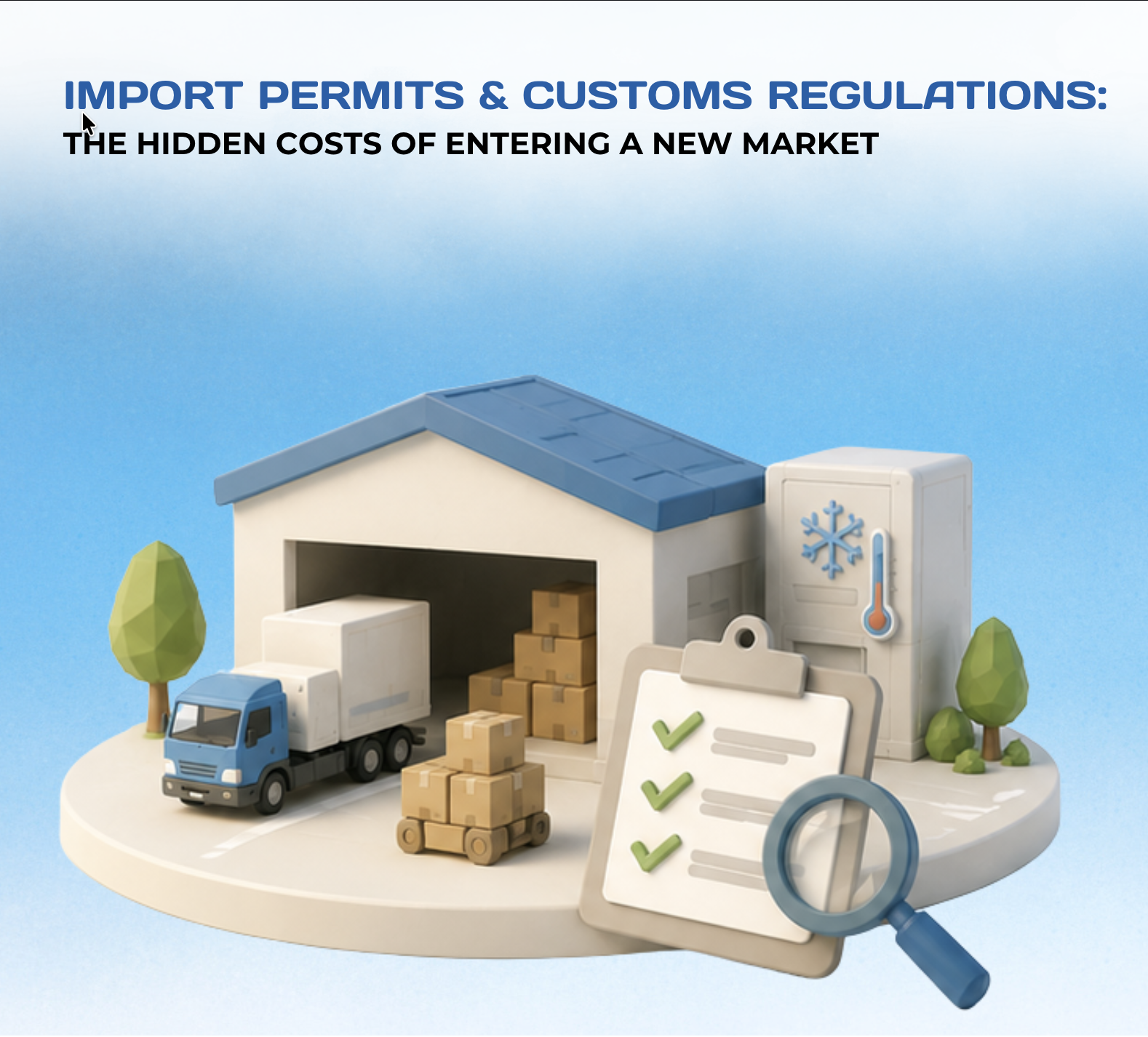
Sometimes, an international shipment can be delayed by something as small as a missing permit, an incorrect HS Code, or a forgotten product certificate. These details may seem minor during planning, but they can create major problems when the cargo reaches customs.
Many businesses spend months developing their products, speaking to overseas buyers, appointing distributors, and planning their market entry. Everything may seem ready — until the cargo reaches customs and the shipment is held because one requirement was missed.
The issue is not always the product.
It is not always the buyer.
It is not always the logistics arrangement.
Sometimes, the real problem is that customs and import requirements were not checked early enough.
Customs Clearance Starts Before Shipping
One of the biggest misconceptions in international trade is that customs clearance only begins after goods arrive at the destination country.
In reality, customs planning starts long before the shipment leaves the warehouse.
Every country has its own import requirements, documentation process, product approvals, and customs procedures. Even if a product is accepted in one market, it does not automatically mean it can enter another country in the same way.
Some products may require:
- Import licences
- Health certificates
- Halal certification
- SIRIM approval
- Product registration
- Dangerous Goods declarations
- Country-of-Origin certificates
Missing just one requirement can delay a shipment for days or even weeks. In some cases, it may also lead to additional storage charges, re-submission of documents, extra inspections, or penalties.
This is why customs compliance should never be treated as a final step. It should be part of the market entry plan from the beginning.
Every Product Is Different
A television.
A cosmetic product.
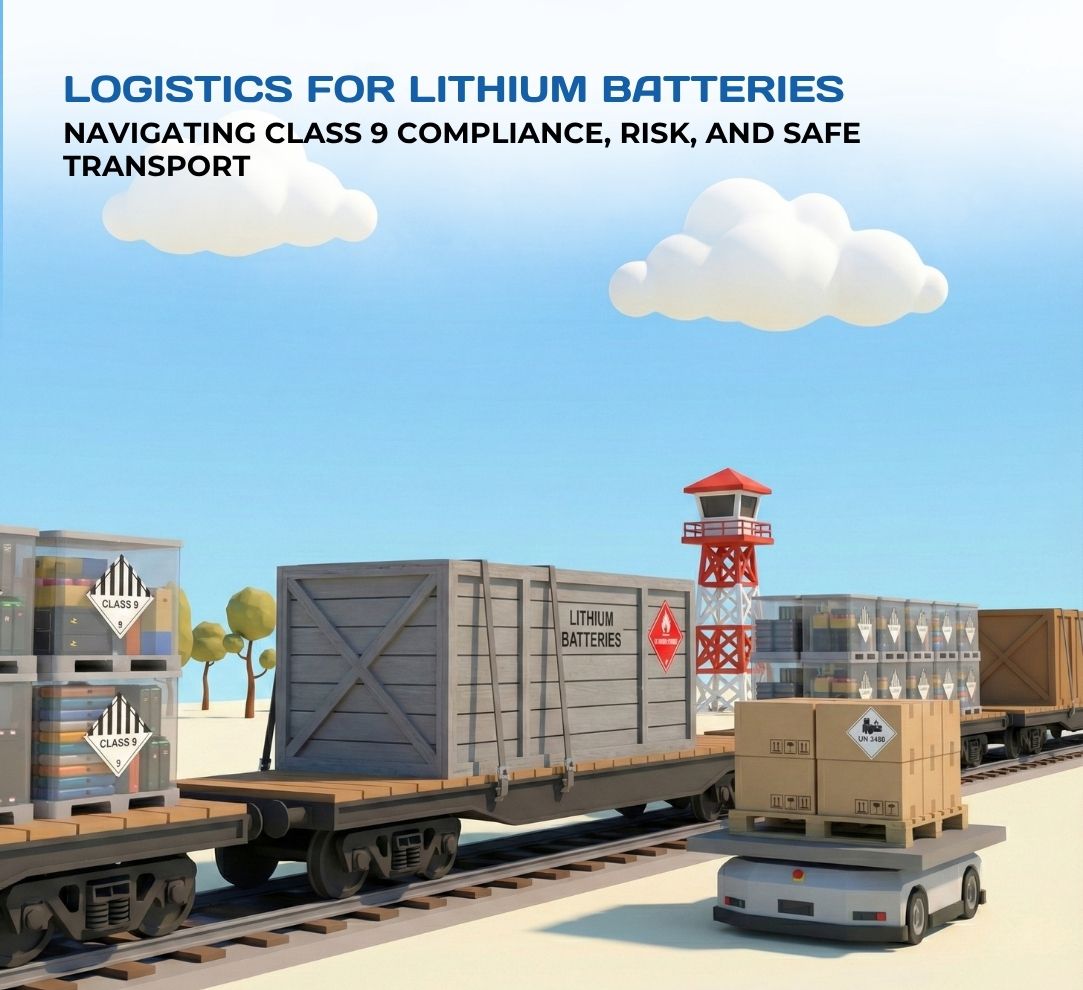
A lithium battery.
A frozen food product.
All of them may be shipped into the same country, but each product category can follow very different customs rules and import requirements.
A consumer electronic product may need technical approval or safety certification. A cosmetic product may require product notification or registration. A lithium battery may need Dangerous Goods documentation and proper packing declarations. A frozen food product may require health certificates, cold-chain handling, and specific import approvals.
This is why customs planning cannot follow a one-size-fits-all approach.
The product type, material, usage, origin country, destination country, packaging, labelling, and end customer can all affect the import process.
Before shipping, businesses need to understand how their specific product will be classified, what documents are required, and whether any permits or approvals must be prepared in advance.
Common Mistakes Businesses Make
Many customs delays happen because of small details that were overlooked during planning.
Some common mistakes include:
- Using the wrong HS Code
- Assuming another country’s regulations are identical
- Providing incorrect product descriptions
- Missing commercial invoices
- Using the wrong Incoterms
- Submitting incomplete Dangerous Goods declarations
For Dangerous Goods, the requirements can be even more specific. Classification, packaging, labelling, documentation, and declarations must be handled correctly before shipment.
For more information, explore our previous Class 9 compliance series.
Why It Matters
When cargo is held at customs, the impact goes beyond a delayed delivery date.
Every extra day at the port can create additional costs, operational pressure, and customer dissatisfaction. For businesses entering a new market, this can affect the launch timeline, distributor confidence, and overall cash flow.
Customs delays can lead to:
- Additional storage charges
- Demurrage
- Customer dissatisfaction
- Delayed cash flow
- Potential penalties
These costs are often avoidable when customs requirements are identified early.
Good customs planning helps businesses reduce unnecessary delays, prepare the right documents, and enter new markets with greater confidence.
Alien Logistics Makes Compliance Simpler
At Alien Logistics, we work with businesses before shipment begins.
Our team helps identify the import and customs requirements that may affect your product before it reaches the destination country. This allows businesses to plan ahead, prepare the right documents, and reduce the risk of unexpected delays.
We help evaluate:
- Required permits
- Customs documentation
- Regulatory requirements
- Product classifications
- Import restrictions
- Compliance risks
Because clearing customs should never rely on luck.
It should be supported by proper planning, accurate documentation, and a clear understanding of how the destination country handles your product category.
Before you ship, check the requirements.
Before you enter a new market, understand the regulations.
Before cargo moves, make sure the documents are ready.
That is how businesses reduce hidden costs and move into new markets with greater confidence.
Next article: Choosing the Right Shipping Mode for International Expansion.